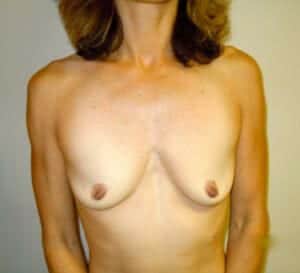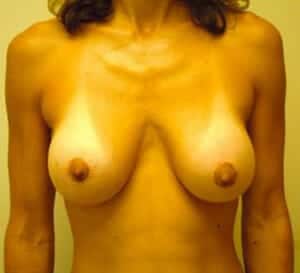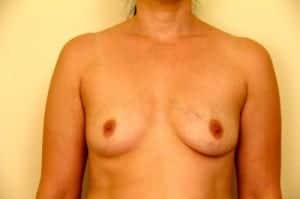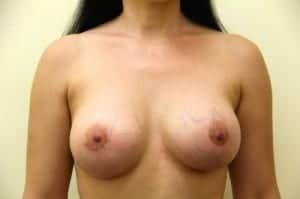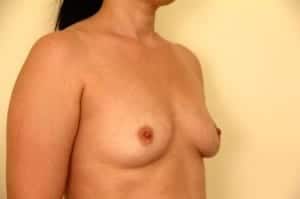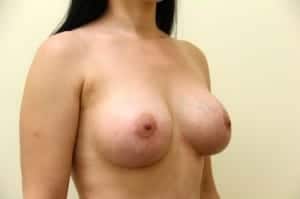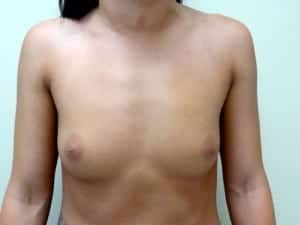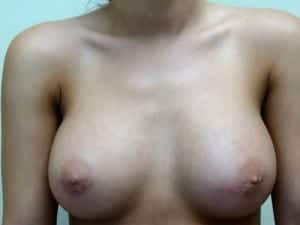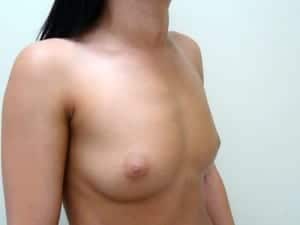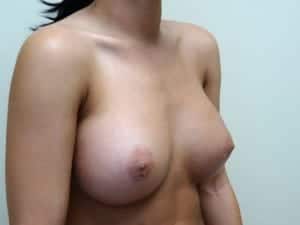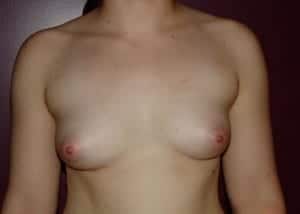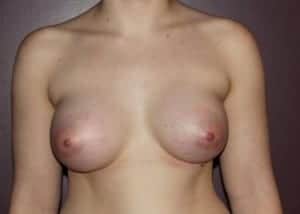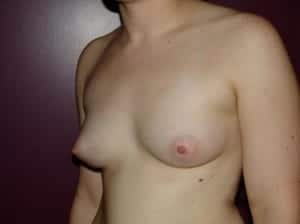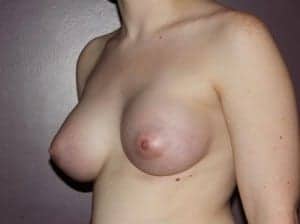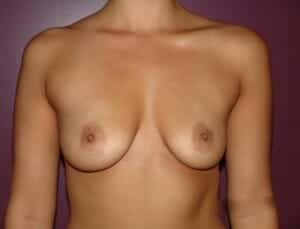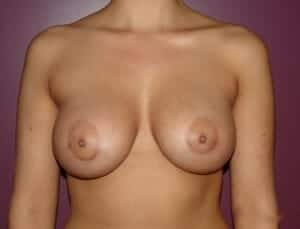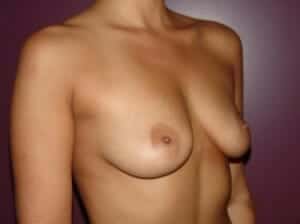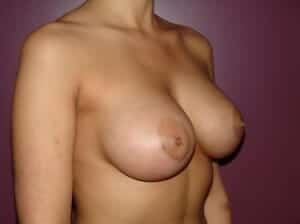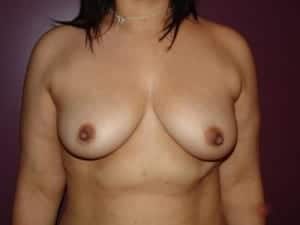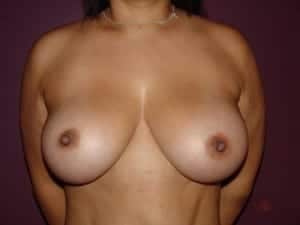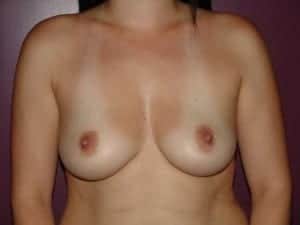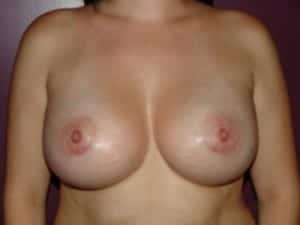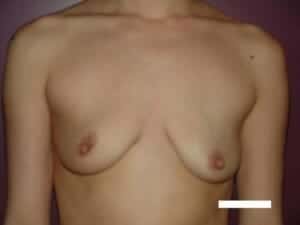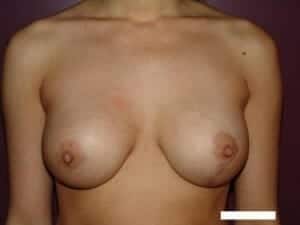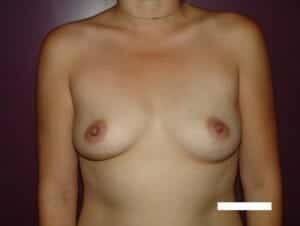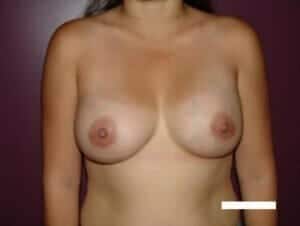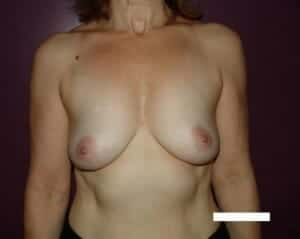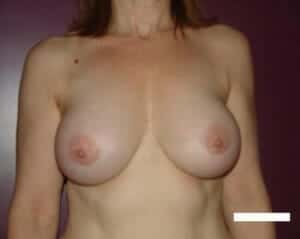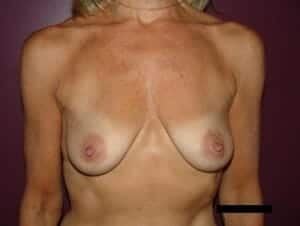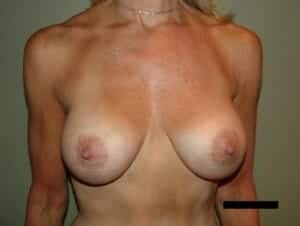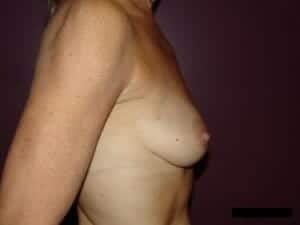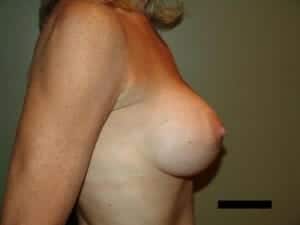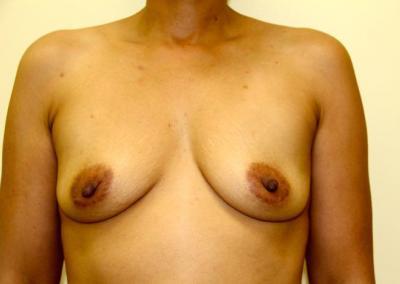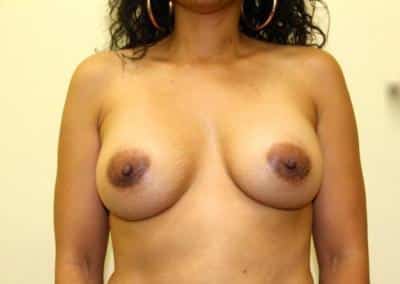
Subfascial breast augmentation is an advanced technique that places breast implants beneath the fascia—a thin layer of connective tissue that sits above the chest muscle. This approach offers a unique balance between traditional implant placements, providing natural-looking results with added support while avoiding some of the drawbacks associated with submuscular surgery.
At Jaibaji Plastic Surgery, subfascial breast augmentation is performed by Dr. Moneer Jaibaji, a double board-certified plastic surgeon with extensive experience in breast surgery and advanced implant techniques. Patients from San Diego and Coronado seek his expertise for refined, natural results and a personalized, boutique surgical experience focused on safety, precision, and long-term outcomes.
What Is Subfascial Breast Augmentation?
In subfascial breast augmentation, the implant is placed under the fascia but above the pectoral muscle. The fascia provides an additional layer of coverage and support compared to placing the implant directly under the breast tissue.
This technique is designed to combine key advantages of both:
- Subglandular placement (above the muscle): Less invasive with quicker recovery
- Submuscular placement (under the muscle): Improved implant coverage and a more natural appearance
By utilizing the fascia, this approach offers a middle ground that can enhance both aesthetics and comfort.
The Benefits of Subfascial Implant Placement
Subfascial breast augmentation offers several advantages for appropriately selected patients:
- Natural-looking shape and contour
- Improved implant support compared to subglandular placement
- Reduced risk of visible rippling, especially in thinner patients
- Lower likelihood of animation deformity during muscle movement
- Faster recovery and less postoperative discomfort than submuscular techniques
- Preservation of chest muscle strength and function
The fascia acts as an internal support layer, helping stabilize the implant while maintaining a soft, natural feel.
Board Certified Plastic Surgeon

Who Is a Good Candidate for Subfascial Augmentation?
Subfascial placement is not ideal for every patient, but it can be an excellent option for those seeking a balance between aesthetics and recovery.
Ideal candidates typically:
- Are in good overall health
- Desire natural-looking breast enhancement
- Have adequate soft tissue coverage
- Prefer to avoid muscle manipulation
- Want a shorter recovery period
- Do not engage in intensive chest-focused athletic activity
During your consultation, Dr. Jaibaji evaluates your anatomy, skin quality, and goals to determine whether subfascial placement is the most appropriate approach.
Subfascial vs Other Implant Placement Options
Understanding how subfascial placement compares to other techniques can help clarify your options.
- Subglandular (above the muscle): Offers a quick recovery but may have a higher risk of visible implant edges or rippling
- Submuscular (below the muscle): Provides more coverage but may involve longer recovery and animation deformity
- Subfascial (under the fascia): Offers improved support and coverage without significant muscle disruption
While submuscular placement remains appropriate in certain cases, subfascial augmentation is increasingly chosen for its balance of comfort, aesthetics, and structural support.
What to Expect During the Procedure
Subfascial breast augmentation is performed under general anesthesia in an accredited surgical facility and typically takes one to two hours.
During the procedure:
- A small incision is made, most commonly in the inframammary fold
- A precise pocket is created beneath the fascia
- The implant is inserted and positioned carefully
- The incision is closed with meticulous technique to minimize scarring
Implant type, size, and profile are selected during your preoperative consultation to ensure a customized result.
Recovery and Results
Recovery from subfascial breast augmentation is often quicker and more comfortable compared to submuscular techniques.
Patients can generally expect:
- Return to light activities within a few days
- Gradual resumption of normal routines within one to two weeks
- Mild swelling and bruising that resolve over time
- Minimal disruption to chest muscle function
As swelling subsides, results become more visible, revealing improved contour, fullness, and balance. Scars are typically well-concealed and continue to fade with proper care.
What Affects the Cost of Subfascial Breast Augmentation?
The cost of subfascial breast augmentation depends on factors such as implant selection, surgical complexity, and facility fees. During your consultation, a personalized treatment plan and detailed estimate will be provided. Financing options may be available to help make your procedure more accessible.
Why Choose Jaibaji Plastic Surgery for Subfascial Breast Augmentation?
Subfascial breast augmentation requires precision and a deep understanding of breast anatomy to achieve optimal results. At Jaibaji Plastic Surgery, patients are treated by Dr. Moneer Jaibaji, a diplomate of the American Board of Plastic Surgery with extensive experience in advanced breast augmentation techniques. His approach emphasizes natural-looking outcomes tailored to each patient’s body and goals.
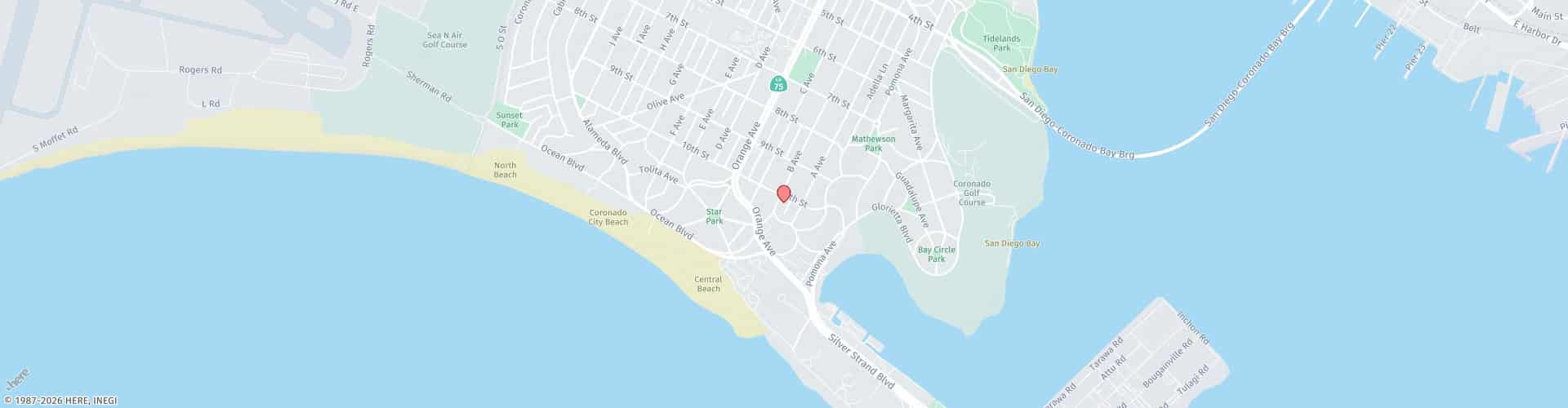
Located in Coronado and serving patients throughout San Diego, the practice offers a boutique, patient-focused environment that prioritizes safety, discretion, and personalized care. Each procedure is thoughtfully planned to deliver refined, balanced results with long-term stability.
Subfascial Breast Augmentation in San Diego & Coronado, CA
Subfascial breast augmentation offers a modern approach to breast enhancement with natural-looking results and a smoother recovery experience. At Jaibaji Plastic Surgery, patients receive expert care from Dr. Moneer Jaibaji, a double-board-certified plastic surgeon, in a private and supportive setting. To learn more or schedule a consultation, call 619-435-1736 today.
Before & After
Case Studies