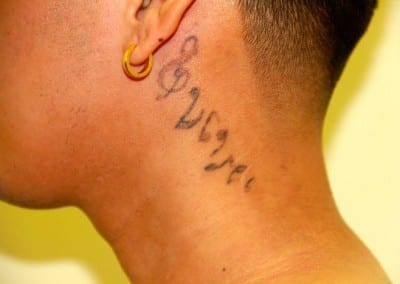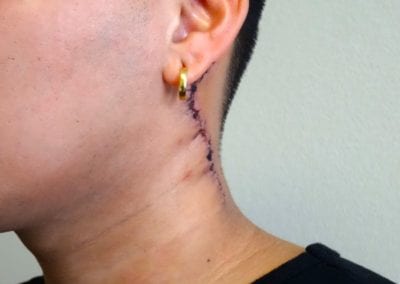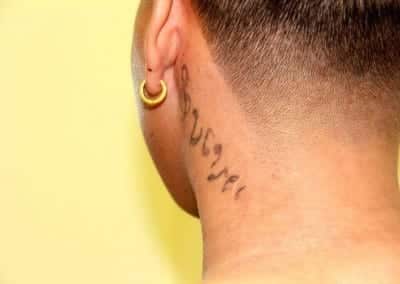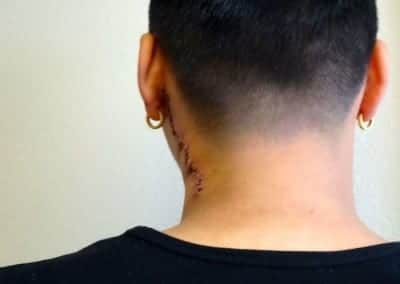
Tattoos are meant to be permanent, but personal circumstances and preferences can change over time. An unwanted tattoo may become a source of frustration, particularly when it appears in a visible area or represents something that no longer reflects who you are. Surgical tattoo removal offers a reliable solution for eliminating stubborn tattoos, especially when other methods have failed to produce the desired results.
At Jaibaji Plastic Surgery, patients receive thoughtful evaluation and personalized treatment planning. Dr. Moneer Jaibaji is a double-board-certified plastic surgeon, certified by the American Board of Plastic Surgery and the American Board of Surgery, with extensive experience performing both reconstructive and cosmetic procedures. Patients from Coronado and throughout San Diego trust his expertise when seeking safe and effective options for removing unwanted tattoos.
How Surgical Tattoo Removal Works
Tattoos are created by placing pigment into the deeper dermal layer of the skin through tiny punctures. Because the ink sits below the surface, removing a tattoo can be challenging. Professional tattoos, in particular, use dense pigments and precise placement, making them more difficult to eliminate than amateur tattoos.
At Jaibaji Plastic Surgery, tattoo removal may involve several different techniques depending on the size, color, and location of the tattoo. In some cases, patients seek treatment after unsuccessful laser tattoo removal sessions.
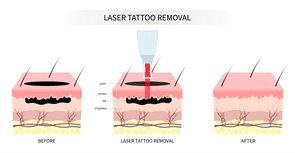
Common tattoo removal methods include:
- Laser tattoo removal, which breaks down pigment using targeted light energy
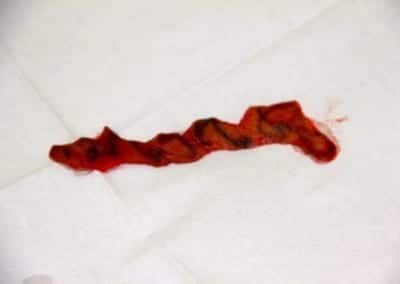
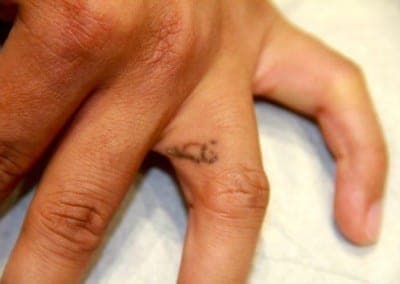
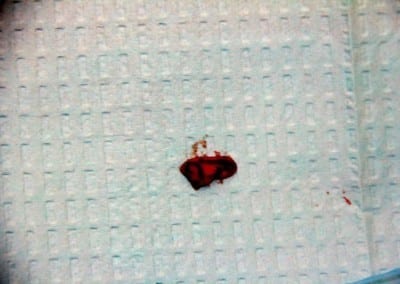
- Surgical excision, where the tattooed skin is removed with a scalpel
- Dermabrasion, a technique that removes the upper layers of skin to reduce the appearance of pigment
Each technique offers advantages depending on the characteristics of the tattoo and the patient’s goals.
Board Certified Plastic Surgeon

Surgical Tattoo Removal

When Surgical Tattoo Removal Is Recommended
Laser tattoo removal is often the first option because it does not require incisions and typically carries fewer risks. However, some tattoos respond poorly to laser treatments, especially those with certain pigments or deep ink placement.
Surgical tattoo removal may be recommended when:
- The tattoo is small enough to remove with direct closure
- The tattoo did not respond to laser treatments
- The pigment color is resistant to laser removal
- A patient prefers complete removal in a single procedure
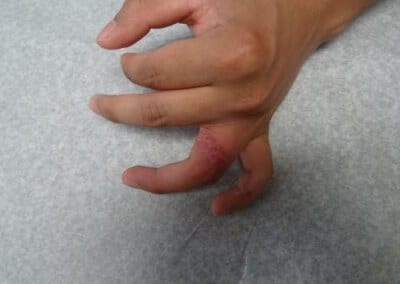
Small tattoos are often the best candidates for excision because the surrounding skin can be closed neatly with sutures after the tattooed tissue is removed.
How Tattoo Removal Surgery Is Performed
Surgical tattoo removal is typically performed on an outpatient basis using local anesthesia.
During the procedure, Dr. Jaibaji removes the tattooed section of skin using precise surgical techniques. The surrounding skin is then carefully closed with sutures to minimize tension and encourage smooth healing.
For larger tattoos, additional reconstructive techniques may be necessary, including:
- Skin grafts
- Local skin flaps
- Staged removal procedures
The length of the procedure can vary depending on the size and complexity of the tattoo. Smaller tattoos may take as little as 30 minutes, while larger or more complex removals may take several hours.
Laser Tattoo Removal
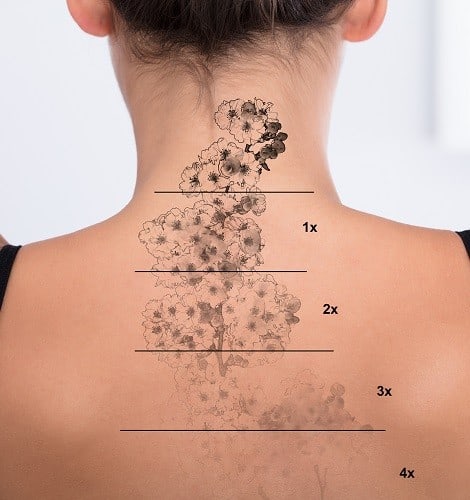
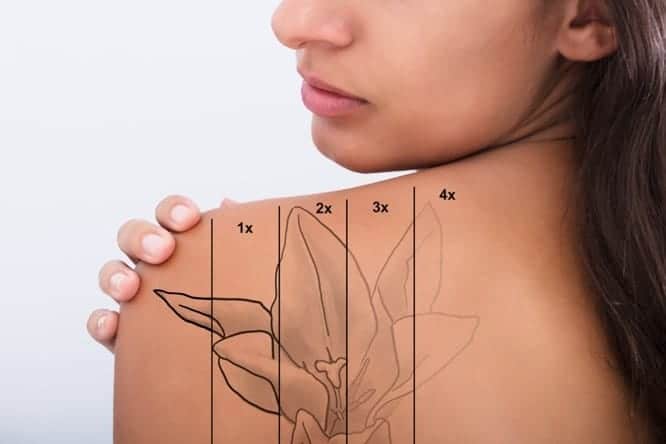
Laser tattoo removal remains one of the most common methods for reducing unwanted tattoos. A handheld device delivers pulses of laser energy that penetrate the skin and break apart the tattoo pigment.
Over time, the body’s immune system gradually removes these fragmented ink particles, causing the tattoo to fade. Multiple sessions are usually required for optimal results.
Laser treatments often leave the skin looking smooth once the pigment has faded. However, existing scar tissue from the original tattoo or previous treatments may remain.
Tattoo Removal Recovery
Recovery varies depending on the technique used.
After surgical tattoo removal, patients may experience:
- Mild to moderate discomfort
- Swelling or bruising
- Temporary wound care requirements
Proper wound care and following postoperative instructions are essential to reduce the risk of infection and promote healthy healing.
Laser tattoo removal typically causes the treated area to appear pink or pale, and the tattoo lines may scab or flake as the skin heals. Patients should avoid excessive sun exposure during the first few weeks because the treated skin can be sensitive.
Recovery can take six to eight weeks, and multiple laser sessions may be required to achieve optimal fading.
The Potential Risks of Tattoo Removal
Like all cosmetic procedures, tattoo removal involves some potential risks. These may include:
- Skin pigmentation changes
- Infection
- Scarring
- Unsatisfactory cosmetic results
Dr. Jaibaji discusses all potential risks and treatment options during the consultation to help patients make an informed decision.
Who Is a Candidate for Tattoo Removal?
Candidates for tattoo removal should be in good overall health and have realistic expectations about the results. While many tattoos can be significantly reduced or completely removed, outcomes depend on several factors such as tattoo size, depth, color, and skin type.
Laser tattoo removal tends to work best for dark ink on lighter skin tones, though treatments are available for a wide range of skin types.
Patients with certain medical conditions—including immune disorders, uncontrolled diabetes, or a tendency toward keloid scarring—may not be ideal candidates for surgical tattoo removal.
During your consultation, Dr. Jaibaji will review your medical history and evaluate the tattoo to determine the most appropriate treatment approach.
Frequently Asked Questions
Small tattoos located in areas where the surrounding skin can be closed easily after removal are typically ideal for surgical excision. Tattoos that have proven resistant to laser treatments may also be good candidates for surgical removal.
Why Choose Jaibaji Plastic Surgery for Tattoo Removal?
Tattoo removal requires both technical skill and careful planning to achieve the best cosmetic result. Dr. Moneer Jaibaji is a Fellow of the Royal College of Surgeons of England and has trained in plastic and reconstructive surgery at several prestigious institutions in the United States and the United Kingdom. His background allows him to evaluate each tattoo individually and recommend the safest and most effective removal method. Located in Coronado and serving patients throughout San Diego, Jaibaji Plastic Surgery offers a private, boutique setting where patients receive personalized care and thoughtful treatment planning.
Surgical Tattoo Removal in San Diego & Coronado, CA
Surgical tattoo removal can help eliminate unwanted ink and restore natural-looking skin. At Jaibaji Plastic Surgery in Coronado and San Diego, Dr. Moneer Jaibaji offers advanced tattoo removal options tailored to each patient’s needs. Call 619-435-1736 to schedule a consultation and learn more about your tattoo removal options.
Before & After
Case Studies