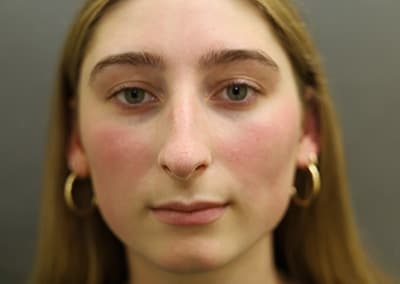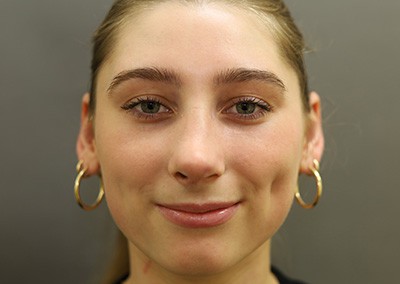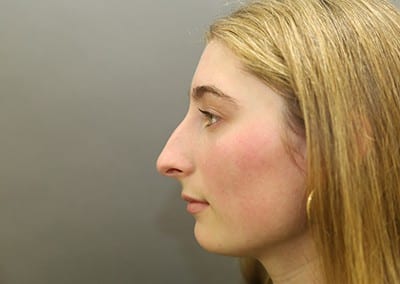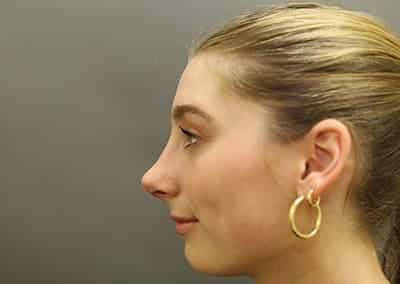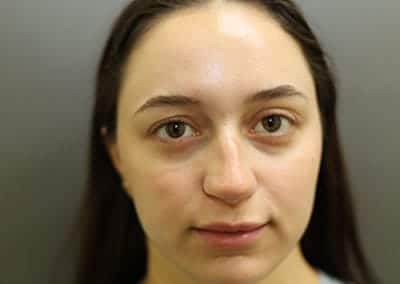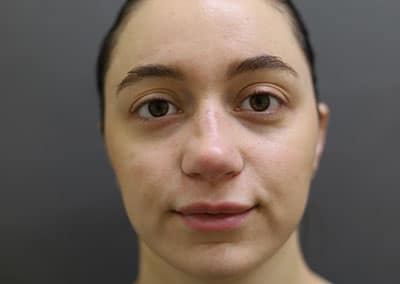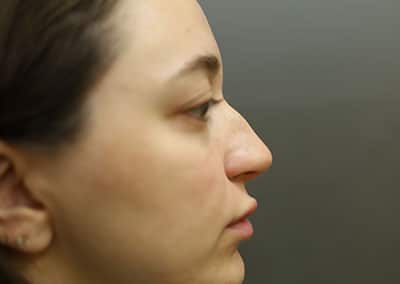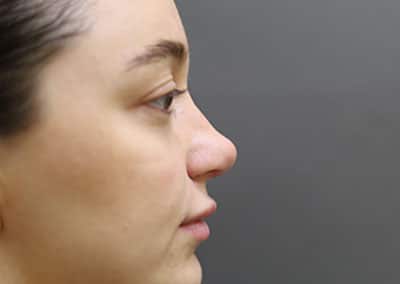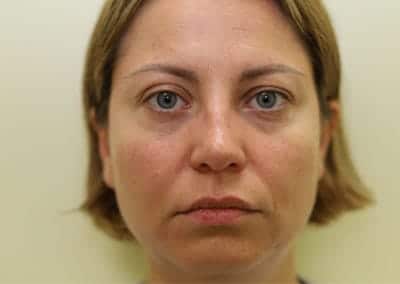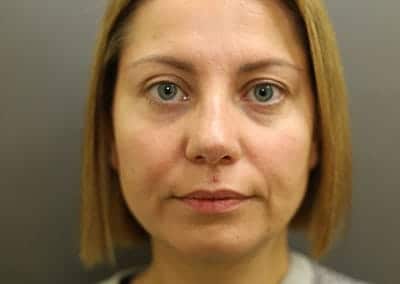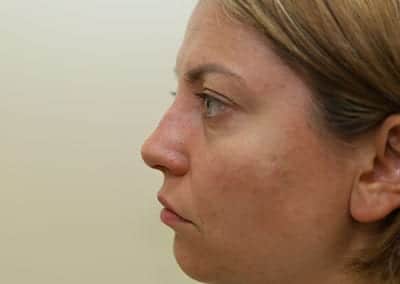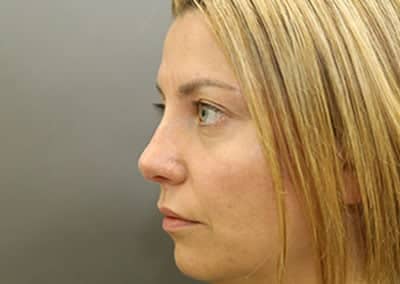
If you’ve considered rhinoplasty but worry about looking overdone or losing what makes your face unique, preservation rhinoplasty offers a more refined approach. This modern technique focuses on enhancing your nose while maintaining its natural structure, allowing for subtle improvements that feel authentic and balanced with your features.
At Jaibaji Plastic Surgery, Dr. Moneer Jaibaji brings a thoughtful, individualized approach to every rhinoplasty procedure. With advanced training in facial plastic surgery at the University of Oklahoma and additional experience at renowned institutions such as Lenox Hill Hospital, he combines technical precision with an artistic eye to deliver results that look natural rather than surgical.
What Is Preservation Rhinoplasty?
Preservation rhinoplasty is a specialized technique that focuses on maintaining the nose’s original anatomy as much as possible. Instead of removing and rebuilding the nasal structure, this approach works with your existing framework to create subtle, natural changes.
By preserving the bony bridge and soft tissues, the procedure minimizes disruption to the nose while still allowing for meaningful aesthetic improvement. This results in a nose that looks more refined, but still like your own.
Preservation vs. Traditional Rhinoplasty
While both procedures aim to improve the appearance of the nose, they differ significantly in technique and outcome.
In traditional rhinoplasty, surgeons typically reduce a dorsal hump by removing bone and cartilage from the top of the nose. This often requires reconstruction to rebuild the nasal structure, which can sometimes lead to a more dramatic or “operated” look.
Preservation rhinoplasty takes a different approach. Rather than working from the top down, Dr. Jaibaji works from beneath the nasal structure. By removing small, precise segments of cartilage and bone underneath, the bridge can be lowered naturally without disrupting the top of the nose. This allows the hump to settle into alignment while maintaining the nose’s original contours.
Because the structure is preserved, extensive reconstruction is usually not necessary, and the final result tends to appear softer and more natural.
Board Certified Plastic Surgeon
Refining the Nasal Tip
The nasal tip is another area where preservation techniques make a meaningful difference. Traditional rhinoplasty often reshapes the tip more aggressively, which can alter the natural support and movement of the nose.
With preservation rhinoplasty, Dr. Jaibaji uses more conservative techniques to refine the tip while maintaining the integrity of the nasal ligaments and soft tissues. In many cases, this means less disruption to the skin and underlying structure, helping preserve both appearance and function.
The Benefits of Preservation Rhinoplasty
Preservation rhinoplasty is especially appealing to patients who want improvement without dramatic change. Benefits may include:
- Less trauma to the nasal structures compared to traditional rhinoplasty
- Faster and more comfortable recovery in many cases
- Subtle, natural-looking results
- Preservation of the nose’s original structure and support
- A highly customized approach tailored to your anatomy
The goal is simple: a refined version of your nose that still feels like you.
Who Is a Good Candidate for Preservation Rhinoplasty?
Preservation rhinoplasty is best suited for patients who want to improve the appearance of their nose while maintaining its natural structure. It is often ideal for individuals who prefer subtle refinement rather than a dramatic change.
You may be a good candidate if you:
- Have a dorsal hump or mild to moderate nasal irregularities
- Want a more natural-looking result without major structural changes
- Prefer to preserve your existing nasal shape and character
- Are in good overall health and have realistic expectations
Because this technique works within your existing nasal framework, not every patient is a candidate. Those needing more significant structural correction may be better suited for traditional rhinoplasty. During your consultation, Dr. Jaibaji will evaluate your anatomy and goals to determine the most appropriate approach.
Preservation Rhinoplasty vs. Traditional Rhinoplasty
| Consideration | Preservation Rhinoplasty | Traditional Rhinoplasty |
|---|---|---|
| Surgical approach | Works with and preserves more of your existing nasal framework | May remove and reconstruct portions of the nasal framework |
| Dorsal hump correction | Lowers the bridge by making precise changes beneath the nasal structure | Commonly reduces the hump by removing bone and cartilage from the top of the bridge |
| Nasal bridge | Preserves the natural dorsal surface and contours when possible | May require reshaping and reconstruction of the bridge |
| Nasal tip | Uses conservative techniques intended to preserve ligaments and soft-tissue support | Allows more extensive tip reshaping when greater structural change is necessary |
| Best suited for | Patients seeking subtle refinement who have anatomy appropriate for preservation techniques | Patients who may require more significant reshaping or structural correction |
| Degree of structural disruption | Generally minimizes disruption to existing bone, cartilage, and soft tissues | May involve more extensive alteration of nasal structures |
| Recovery | Reduced structural disruption may allow a more comfortable recovery for some patients | Recovery varies depending on the extent and techniques used |
| Overall goal | Refine the nose while maintaining its existing character and natural anatomy | Reshape or reconstruct the nose to achieve the desired aesthetic and functional changes |
Recovery and Results
Recovery from preservation rhinoplasty is often more comfortable compared to traditional techniques due to reduced disruption of the nasal structures. Most patients experience mild swelling and bruising in the first one to two weeks and are able to return to work and normal activities within that time.
While early improvements are visible relatively quickly, swelling continues to resolve over several months. As healing progresses, your results become more refined, revealing a nose that looks natural and balanced with your features. The outcome is long-lasting, with your improved shape designed to maintain its structure over time.
Why Choose Jaibaji Plastic Surgery for Preservation Rhinoplasty?
Preservation rhinoplasty requires a high level of technical precision and a deep understanding of nasal anatomy. Dr. Moneer Jaibaji is a Fellow of the Royal College of Surgeons of England and has completed advanced plastic surgery training in both Europe and the United States, giving him a comprehensive perspective on modern rhinoplasty techniques. His experience with both traditional and preservation methods allows him to select the most appropriate approach for each patient rather than relying on a single technique. At Jaibaji Plastic Surgery, patients receive personalized care in a private Coronado setting where attention to detail, safety, and natural-looking results are always the priority.
Preservation Rhinoplasty in San Diego & Coronado, CA
Preservation rhinoplasty at Jaibaji Plastic Surgery offers a sophisticated way to refine your nose while maintaining your natural features. Serving San Diego and Coronado, Dr. Jaibaji provides expert, individualized care in a comfortable and discreet environment. Contact Jaibaji Plastic Surgery in San Diego & Coronado, CA to schedule a consultation at 619-435-1736.
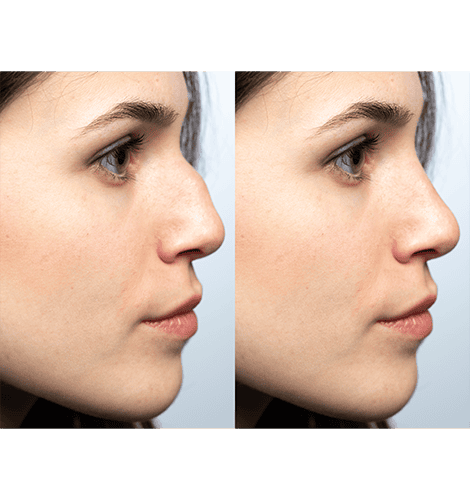
Before & After
Case Studies