Anesthesia plays an essential role in ensuring that cosmetic surgery procedures are performed safely and comfortably. Depending on the type and extent of the procedure, plastic surgery treatments for the face, breasts, and body may be performed using local anesthesia, intravenous (IV) sedation, or general anesthesia. Each option is carefully selected to provide the appropriate level of comfort while allowing the surgeon to perform the procedure with precision and control.
At Jaibaji Plastic Surgery, anesthesia decisions are guided by experience, safety, and individualized care. Dr. Moneer Jaibaji is a double board-certified plastic surgeon certified by both the American Board of Plastic Surgery and the American Board of Surgery. With extensive surgical training in the United States and internationally, Dr. Jaibaji carefully evaluates each patient’s health history, procedure type, and goals to recommend the most appropriate anesthesia option for their surgery.
Local Anesthesia vs. General Anesthesia
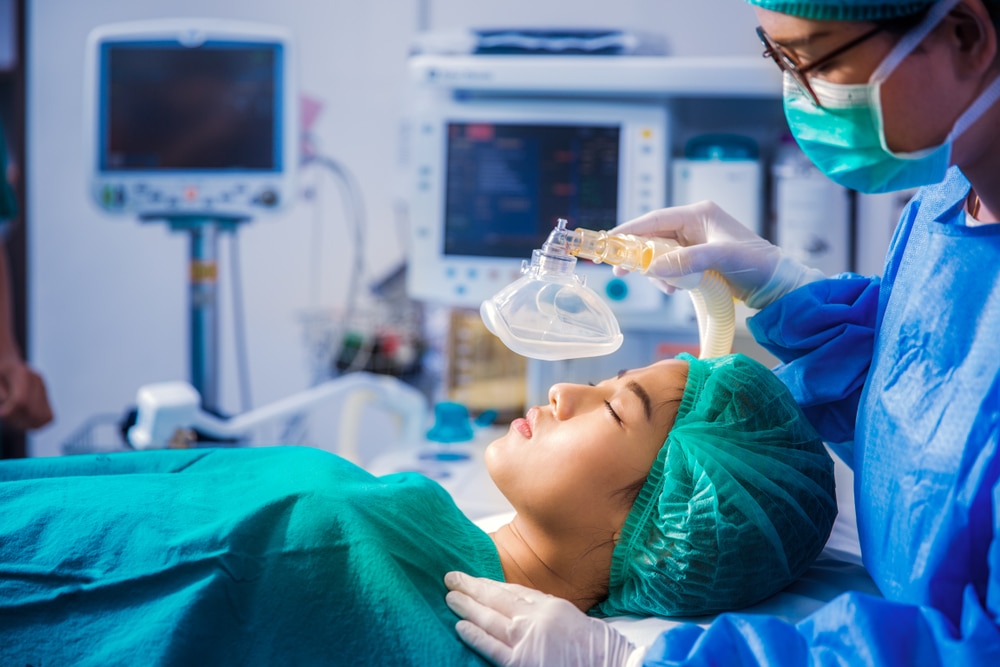
During your consultation, Dr. Jaibaji will discuss the anesthesia approach that best suits your procedure. Some cosmetic treatments can be safely performed using local anesthesia, while others require intravenous sedation or general anesthesia to ensure patient comfort and surgical precision.
- Local anesthesia numbs a specific area of the body while the patient remains awake. This option is commonly used for smaller procedures that involve limited treatment areas and shorter surgical times. Patients are typically able to return home shortly after the procedure.
- Intravenous sedation or general anesthesia is recommended for larger or more complex surgeries. These options allow patients to remain fully comfortable throughout the procedure. General anesthesia places the patient in a controlled sleep-like state, while IV sedation allows for deep relaxation while still maintaining safety and monitoring throughout the surgery.
Dr. Jaibaji will carefully review your options and ensure you feel informed and confident before moving forward with surgery.
Board Certified Plastic Surgeon

Anesthesia for Liposuction
Liposuction can be performed using different anesthesia techniques depending on the size and number of treatment areas.
When liposuction is performed on smaller areas, local anesthesia may be sufficient to numb the targeted region. This allows patients to remain comfortable during the procedure and typically results in a shorter recovery period.
For larger liposuction procedures or when liposuction is combined with other surgeries, IV sedation or general anesthesia may be recommended. Dr. Jaibaji will determine the safest and most appropriate approach during your consultation.
Breast Surgery Anesthesia
Most breast augmentation procedures are performed using general anesthesia or intravenous sedation. These options allow the procedure to be performed comfortably while giving the surgeon optimal control during surgery.
In some situations, such as breast implant removal, the procedure may be performed under local anesthesia depending on the complexity of the case. Dr. Jaibaji will evaluate the surgical plan and discuss the most appropriate anesthesia option with you prior to surgery.
Tummy Tuck Anesthesia
A tummy tuck (abdominoplasty) is generally performed under general anesthesia because it is a more involved procedure that requires careful surgical precision.
In certain cases, tummy tuck surgery may be performed using intravenous sedation or spinal anesthesia, depending on the patient’s medical history and the details of the procedure. Local anesthesia is rarely used for tummy tuck procedures due to the complexity of the surgery.
AAAASF Accredited Surgery Center
Dr. Jaibaji performs cosmetic procedures at a AAAASF-accredited surgical facility, which meets the highest national standards for patient safety and surgical care. Accreditation by the American Association for Accreditation of Ambulatory Surgery Facilities ensures that the facility adheres to strict guidelines related to equipment, operating protocols, and patient monitoring.
Anesthesia at the surgery center is administered by a board-certified anesthesiologist with extensive experience in both cosmetic and reconstructive procedures. Before surgery, the anesthesiologist meets with each patient to review their medical history, explain the anesthesia plan, and answer questions about the recovery process.
Patients who have previously experienced nausea or vomiting after surgery may receive preventative medications to reduce these symptoms. Pain management after surgery is also carefully addressed so that patients remain comfortable during the recovery period.
Why Choose Jaibaji Plastic Surgery for Anesthesia and Surgical Care?
Patients considering cosmetic surgery want to know that their procedure will be performed in a safe environment by a highly qualified surgeon. At Jaibaji Plastic Surgery, anesthesia planning is approached with the same attention to detail and safety that defines every aspect of care. Dr. Moneer Jaibaji is a double board-certified plastic surgeon with advanced training in both reconstructive and cosmetic surgery, and he has completed surgical training in the United States, the United Kingdom, and internationally recognized medical centers. Procedures are performed in a AAAASF-accredited surgical facility with anesthesia administered by a board-certified anesthesiologist, ensuring continuous monitoring and patient safety throughout surgery. Located in Coronado and serving patients throughout San Diego, the practice provides a boutique surgical experience focused on personalized care, privacy, and refined, natural-looking results.
Anesthesia for Plastic Surgery in San Diego and Coronado
Understanding anesthesia options can help patients feel confident and prepared before cosmetic surgery. At Jaibaji Plastic Surgery in Coronado and San Diego, Dr. Moneer Jaibaji provides personalized surgical care with a strong focus on safety and patient comfort. Call 619-435-1736 today to schedule a consultation and learn more about anesthesia options for your plastic surgery procedure.